By Emil Van Heerden, Co-Founder, EVH Events
Hybrid events have evolved from a temporary solution into a core event strategy for organisations across South Africa.
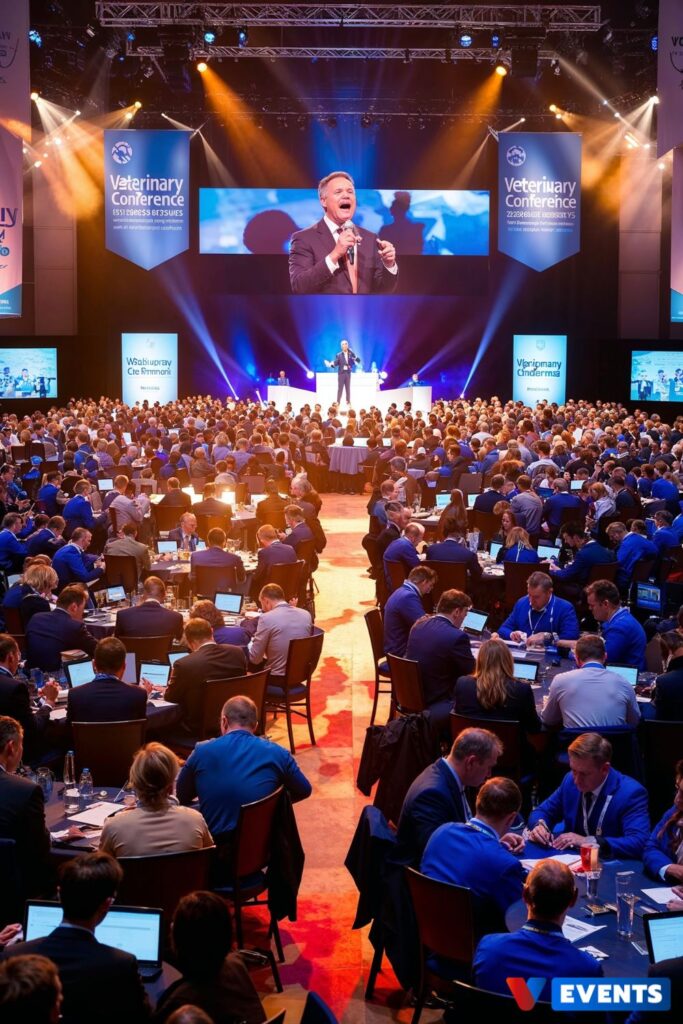
Whether it’s a conference, annual general meeting, product launch, training session, or corporate presentation, businesses increasingly want the ability to engage both in-person and online audiences simultaneously.
The benefits are clear. Hybrid events extend audience reach, improve accessibility, and allow organisations to connect with attendees regardless of location.
However, delivering a successful hybrid event requires far more than simply placing a camera in a room and starting a livestream.
What Makes a Hybrid Event Successful?
A successful hybrid event serves two audiences at the same time: those attending in person and those joining remotely.
Both groups need to feel engaged and connected to the event experience.
Presenters need to be clearly visible and audible, presentations need to display correctly both in the venue and online, and transitions between speakers, videos, and content need to feel seamless.
The goal is not simply to stream an event but to create an experience that works equally well for both audiences.
Essential Technology for Hybrid Events
Certain technologies should never be viewed as optional when planning a professional hybrid event.
These include:
- Professional cameras
- High-quality audio systems
- Comfort monitors
- Presentation clickers
- Video switchers
- Seamless switchers
- Professional stage lighting
- Reliable streaming infrastructure
Comfort monitors allow presenters to view slides, notes, timers, and live content without turning away from the audience. Presentation clickers give speakers greater control over their delivery.
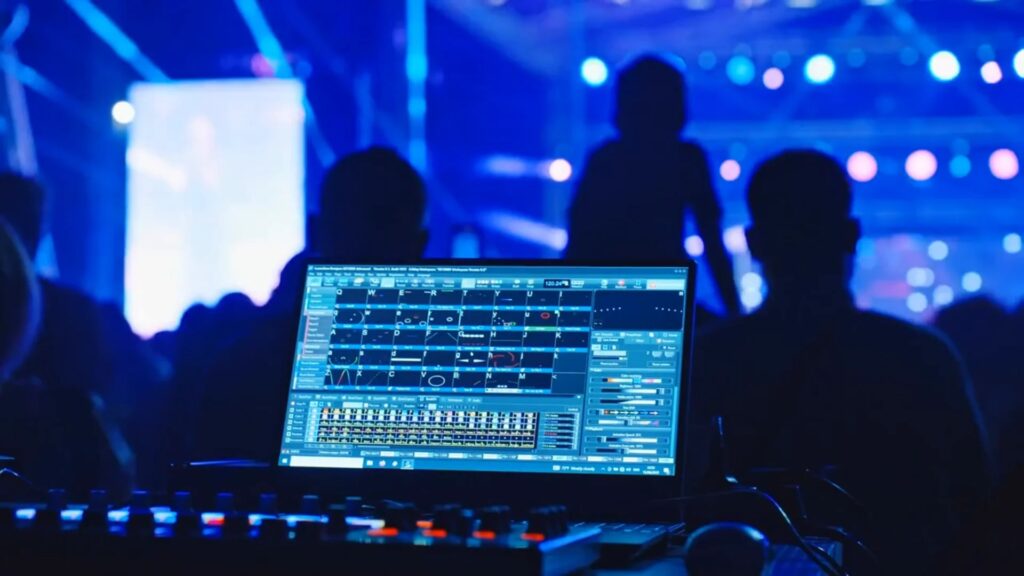
Video switchers and seamless switchers ensure smooth transitions between presentations, videos, remote speakers, and camera feeds without interruptions.
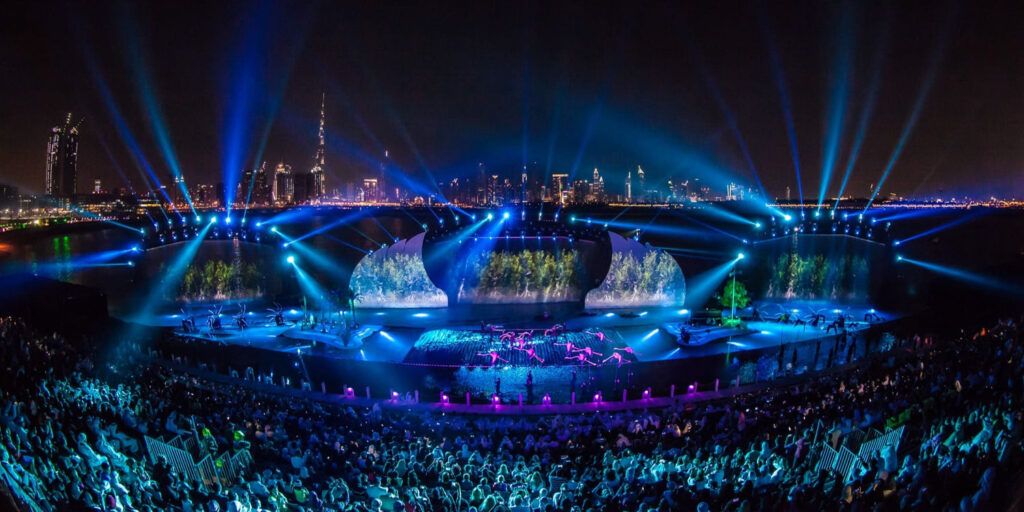
Professional stage lighting helps presenters look their best both in the venue and on camera, while quality cameras create a more engaging viewing experience for online attendees.
These tools help presenters, technicians, and organisers deliver a professional event with confidence.
Planning Is Everything
One of the biggest causes of stress during hybrid events has very little to do with technology.
It’s poor preparation.
Presentations often arrive shortly before the event begins, leaving little time to check formatting, embedded videos, fonts, animations, and compatibility across different systems.
At EVH Events, we encourage clients to provide all presentations, videos, and supporting content at least three days before the event wherever possible.
This allows time for testing, troubleshooting, and ensuring everything functions correctly before attendees arrive.
The objective is simple: solve problems before they become problems.
Don’t Overlook Remote Presenters
Remote speakers can introduce additional challenges if they are not prepared properly.
Poor internet connections, low-quality microphones, inadequate lighting, and unfamiliarity with virtual meeting platforms can all negatively impact the event experience.
For this reason, technical rehearsals and presenter checks are highly recommended, especially for larger events.
A short test session before the event can prevent major disruptions and significantly improve confidence for both presenters and organisers.
Audio Matters More Than Most People Think
While many people focus on video quality, audio is often even more important.
Online viewers will generally tolerate average video quality if the audio is clear and easy to understand. The opposite is rarely true.
Even the best cameras cannot compensate for poor microphones, distorted audio, or unreliable wireless systems.
Whether attendees are sitting in the venue or watching remotely, clear audio remains one of the most important factors in audience engagement.
Creating Value Beyond Event Day
One of the greatest advantages of hybrid events is that their value continues long after the event ends.
Recorded sessions can be shared with attendees, used for internal training, repurposed for marketing content, or made available on demand.
This allows organisations to maximise the return on investment from their events while extending the reach of their content far beyond the live audience.
The Future of Corporate Events
Hybrid events are no longer a trend. They are a permanent part of the modern events industry.
At EVH Events, we believe successful hybrid events are built on three foundations: quality technology, proactive planning, and clear communication.
When these elements come together, organisations can deliver engaging experiences for both physical and virtual audiences while ensuring that the focus remains where it belongs – on the message being shared.