The Best Events Feel Effortless
One question we get asked often is whether a dry run is really necessary.
If it’s a straightforward conference with experienced presenters, surely everything should just work?
I understand why people ask. A rehearsal takes time, it means asking presenters to arrive a little earlier, and it adds additional costs.
But after producing hundreds of conferences, product launches and corporate events, I can honestly say that a dry run is one of the most valuable parts of the entire production and is always worth the price.
Not because we expect things to go wrong, but because we’ve learnt that the smallest issues almost always reveal themselves once people are standing on stage.
It’s Usually the Small Things
Very few rehearsals uncover major disasters. Instead, they uncover lots of small things that would have been frustrating if they were only discovered once the audience had arrived.
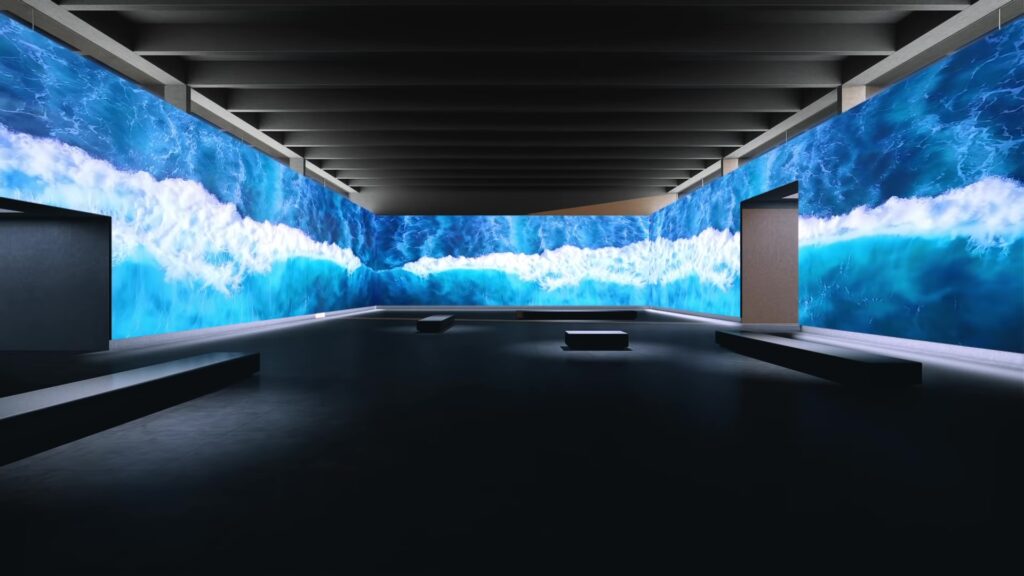
A presentation displays differently on the LED screen than it did on a laptop.
A video has no audio.
A presenter decides they feel more comfortable with a handheld microphone instead of a lapel.
Someone naturally walks to the opposite side of the stage, which means the camera angles and lighting need to be adjusted.
Individually, none of these are major problems, but together, they can quickly make an event feel disorganised.
That’s exactly what a dry run is designed to prevent.
Rehearsals Benefit Everyone
Most people think a rehearsal is only for the presenter.
In reality, the entire production team benefits from it.
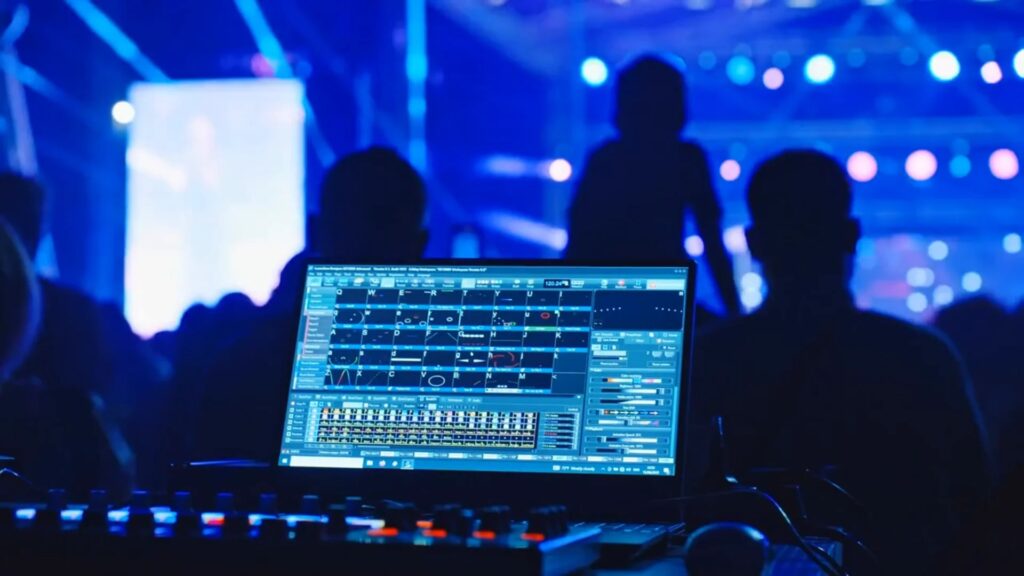
The audio engineer learns how each speaker uses the microphone. The video operator becomes familiar with presentations and content. The lighting technician refines cues and timing, while the show caller gets a feel for the pace of the event.
Presenters benefit just as much.
Standing on stage before the event removes a lot of uncertainty. They know where they’ll be speaking, they can see how their presentation looks on the screen, and they become familiar with the flow of the event.
That confidence almost always carries through into a better presentation.
Hybrid Events Leave Even Less Room for Error
Hybrid events add another layer of complexity.
Now you’re not only looking after the audience in the room, but also the audience watching online. Cameras, streaming platforms, remote presenters, internet connections and presentation content all need to work together seamlessly.
A short rehearsal with remote presenters often identifies issues that would otherwise only become apparent once the event is live.
A Good Event Should Feel Easy
One of the best compliments we can receive after an event is when a client says, “Everything was perfect.”
That’s exactly what we’re aiming for.
The audience shouldn’t be thinking about microphones, presentations or camera angles. They should be focused on the speaker and the message.
Behind the scenes, dozens of people are working together to make that happen, and a dry run plays a big role in bringing everyone onto the same page before the doors open.
The reality is that rehearsals aren’t about proving everything works perfectly.
They’re about giving yourself the opportunity to fix the things that don’t.
Those two hours before an event often save far more than two hours on the day itself, not even mentioning the stress relief for the suppliers and the client.