Stop Putting Great Lighting Last on Your Event Checklist
By Etienne Van Heerden, Co-Founder, EVH Events
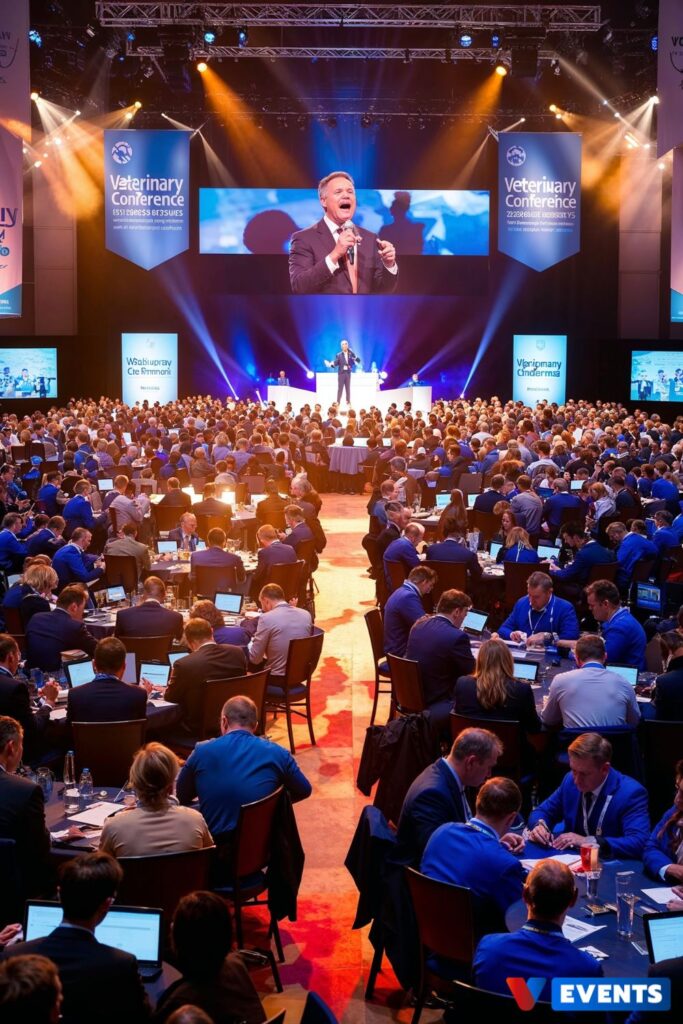
Think about the last event that genuinely impressed you. Not the one that looked expensive, but the one that actually stayed with you. I’d be willing to bet you don’t remember the number of the moving lights hanging from the truss and you probably couldn’t tell me how many fixtures were in the room. What you do remember – what you’ll always remember – is how the space felt:
- The energy in the room when the CEO walked onto the stage.
- The atmosphere during the awards presentation and that particular quality of light that made the moment feel earned and significant.
- The instant the lights dropped, the music hit, and every single person in the room suddenly snapped to attention without knowing why.
That is what lighting is really there to do.
The best lighting is often the lighting nobody consciously notices. It quietly guides your attention without drawing attention to itself. It builds anticipation, supports the message the speaker is trying to communicate, and it creates an atmosphere that makes people feel something.
It could be curiosity, energising, celebratory, or focused – depending on what the event calls for. It helps transform what is, at its core, a blank industrial space into something that feels intentional and memorable.
And yet, in my experience, lighting is almost always one of the last topics of conversation clients have when planning an event. It gets slotted in after the venue, the catering, the guest list, and the entertainment. By the time someone thinks seriously about what the lighting should actually do, they’re often already behind.
The Most Expensive Light Doesn’t Automatically Create the Best Show
One of the most persistent misconceptions I encounter in our industry is the belief that premium equipment guarantees premium results. It doesn’t. It can contribute to premium results, but equipment alone has never been the deciding factor.
Give a talented lighting designer a sensible budget, a clear brief, and a genuine creative vision, and they will consistently produce a more impressive result than someone working with the most expensive fixtures on the market but no real design strategy behind them.
The equipment is the brush, and the design is the painting. You can hand someone the finest brush money can buy, and they’ll still produce something ordinary if they don’t know what they’re trying to paint.
Your audience cares about the experience: how the event made them feel, how professional it looked, and whether it reflected well on the company that invited them. That’s why we spend far more time discussing event objectives, audience journeys, venue limitations, and brand identity than we ever do discussing technical specifications. The technical conversation matters, but it comes after the creative and strategic one.
Copy-and-Paste Event Design Results in Average
If you’ve attended enough corporate events in South Africa, and I certainly have, you start noticing a pattern that becomes harder and harder to ignore. A stage. A row of moving lights. A few colour changes at the key moments. The same effects you’ve seen at dozens of other conferences in dozens of other venues.
There’s nothing catastrophically wrong with that approach. It’s safe, predictable and ticks the boxes, but it’s also almost entirely forgettable, and forgettable is the last thing a corporate event should be when it’s meant to build culture, recognise achievement, or communicate a company’s vision for the year ahead.
The events that genuinely stand out are almost always the ones where the production team has taken the time to think differently about the space. Where they ask not just “what lights should we use?” but “what should this room make people feel, and how do we get there?” Sometimes that means integrating lighting into scenic elements in unexpected ways. Sometimes it means building real depth behind a stage so that the presenter isn’t just standing in front of a flat screen. Sometimes it means using restraint… fewer fixtures, more intentional placement, and impact created through timing rather than sheer intensity.
Position Matters More Than Quantity
One of the most consistent lessons I’ve taken from years in this industry is that intelligent fixture placement will outperform brute quantity almost every time. Adding another ten lights to a room won’t necessarily improve the show. Moving the existing lights to smarter positions – positions informed by the architecture, the staging, the flow of the programme – often will.
We regularly look at structures, LED screen supports, venue architecture, and custom rigging opportunities as creative resources. These are places where we can create depth and visual interest without simply increasing the equipment count. We’ve found, time and again, that those placement and rigging decisions carry more weight than additional spend on fixtures would. They’re the decisions that separate a room that looks set up from a room that looks designed.
Great Lighting = Brand Alignment
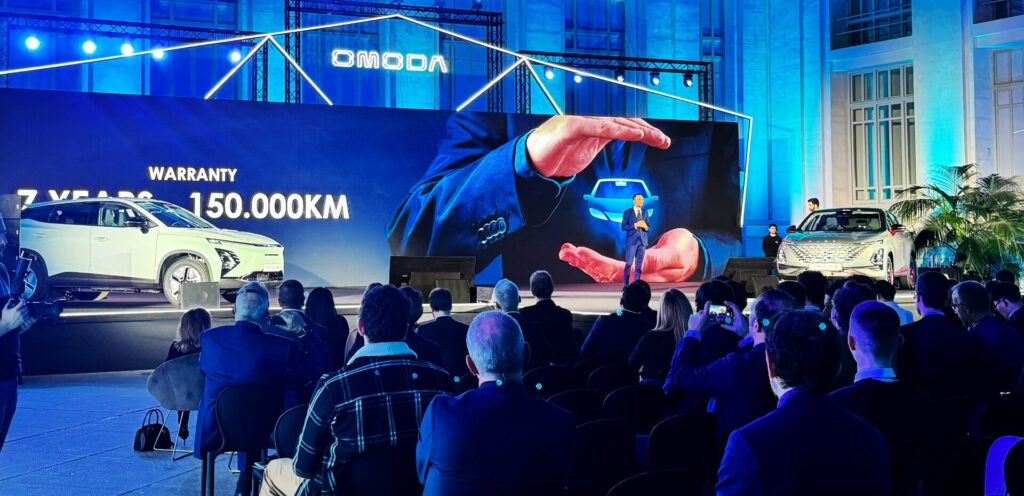
Corporate events are not concerts. The objective is not to blast effects across a room for eight hours in service of pure spectacle. Every production decision, from fixture positions, colour choice, and every cue in the programme, should ultimately support the brand that is hosting the event and the message they are trying to deliver.
That means incorporating brand colours thoughtfully rather than literally. It means understanding who the audience is and what they’re there for. It means knowing precisely when to create energy and momentum, and when to pull back and create focus. A product launch needs a different quality of light than an internal awards evening. A leadership conference calls for something entirely different from a year-end gala.
When lighting is designed around the event’s purpose rather than around the equipment available, everything in the room feels more cohesive, more polished, and more considered. The production stops feeling like a collection of separate elements and starts feeling like a single, unified experience.
A Lesson from a FlySafair Event
One of my favourite examples of this in practice came from a the FlySafair year-end function we produced. A late-stage venue change moved the event from a stretch tent to an aircraft hangar, which significantly compressed our setup timeline and forced us to completely rethink the design from the ground up.
Rather than defaulting to a traditional stage layout and hoping for the best, we built a symmetrical truss design around the stage and integrated our fixtures directly into the LED screen structures. We aligned the heights of the trussing with the screen design, so the whole room read as a single visual composition rather than a stage with lights added to it.
Throughout the venue, we wove FlySafair’s brand colours into the lighting, so that the moment guests walked in, there was no question whose event they were attending.
None of that required more equipment than we’d originally planned. It did require more thought, creative problem-solving, and a willingness to let go of the original plan when circumstances changed. The result felt intentional, balanced, and unmistakably FlySafair, which is exactly what a year-end function for a brand like that should feel like.
The End Goal?
You want guests to leave an event, and they’re talking in the car on the way home about how it felt, how professional it looked, how much better it was than last year’s.
Ultimately, it is exactly what great lighting is supposed to create.
P.S. We invest heavily in ADJ lighting products because they strike an excellent balance between performance, reliability, and return on investment. Premium brands like Robe are, without question, the Rolls-Royce of professional lighting and we work with those too when the brief calls for it. But the best-kept secret in event production is this: the right design, in the right hands, matters far more than the badge on the fixture. What we bring to every event is the expertise to know the difference, and the creativity to make it count.
If you’re planning a corporate event in Gauteng and want a production team that thinks as hard about your brand and your audience as they do about the equipment, we’d love to hear from you.